
Rapid Growth and Headcount Scaling
The organizations that scale without losing execution quality built the operational foundation before the next stage of growth arrived.
The Team Is Growing.
The Operating Foundation Is Falling Behind.
When headcount grows faster than the operational structure supporting it, the gap between what the team is capable of and what it is actually producing widens with every new hire.
New people join and absorb informal norms rather than a defined operational standard
Standards that held through the founding team's presence fragment as the team expands
Decisions that were understood informally become unclear as new roles create overlapping responsibilities
The founding team is spending more time managing what the organization should be running on its own
Growth is adding complexity faster than the existing structure can absorb it
The team is ready to do more. The structure needs to catch up.


Growth Exposes the Operational Foundation That Was Never Formally Built.
The systems that held the organization together at an earlier stage were built for a team that is no longer the same size, complexity, or composition as the one operating inside them today.
As organizations grow, the informal mechanisms that produced results at an earlier stage reach their limits.
→ Direction that traveled through proximity now has to travel through layers of people who were never present when the standards were set.
→ Decision authority that was understood because everyone knew everyone becomes a source of friction as new roles create overlapping responsibilities.
→ Standards that held through the founding team's presence dilute across a larger organization that has no formal standard to reference.
The organization that builds its operational foundation before growth compounds the gaps scales more effectively, absorbs new people faster, and maintains the execution quality that made it worth scaling in the first place.
When the Foundation Is Defined, Growth Becomes the Thing the Structure Was Built to Support.
When the operational foundation is in place before growth compounds the gaps, new hires absorb the standard rather than inferring it.
New team members operate from a defined foundation rather than figuring out informal norms over time
Standards hold across a growing team because they are structural rather than dependent on institutional memory
Decision authority is clear enough that managers act independently without escalating to leadership
The organization absorbs new people faster because the foundation they are joining is explicit and accessible
Growth compounds results rather than creating the complexity that slows the organization down

Building the Foundation Before the Next Hire Makes It Harder.
LoyaltyOps installs the operational foundation that makes rapid headcount growth sustainable before the gaps become too wide to close efficiently.
LoyaltyOps installs the coordination layer that makes rapid headcount growth sustainable: the shared direction new team members operate from, the decision authority that defines how the expanded organization moves without escalating everything upward, and the behavioral standards that hold across a team that is adding people faster than informal culture can absorb them.
The right engagement depends on where the organization is in its growth cycle and what the structural gaps are. A Discovery Call identifies both.
Ready to Find Out What the Growth Is Exposing Operationally?
Walk away from the Discovery Call with a clear picture of the gaps and what it would take to close them before the next stage of scaling makes them harder to address.
In 50 minutes, we will identify the specific structural gaps that rapid growth is creating and what needs to be installed before the next stage of scaling makes them harder to address. You will leave with clarity and a clear path forward, whether you move forward with LoyaltyOps or not.
Recommended Insights
Recommended Insights on Scaling Fast & Rapid Headcount Growth

Culture Is Your Infrastructure: How to Stop Treating It Like a Feeling
Culture is not sentiment or values on a wall. It is how work gets done every day — and it can be deliberately built. Here is what that actually looks like in practice. ...more
Operational Structure for Executive Teams
April 16, 2026•11 min read

The Coordination Layer: Why Your Team Isn’t Executing (And It’s Not a People Problem)
Most leaders blame execution failure on the wrong things. The real gap is the coordination layer — how teams collaborate, communicate, and make decisions together. Here’s what that means and how to bu... ...more
Execution Breaks at Scale
April 16, 2026•11 min read
The Loop That Keeps Execution from Breaking Down as You Grow
Execution does not break all at once — it drifts. This article introduces the LoyaltyOps Performance Flywheel: the operating rhythm growing organizations use to keep expectations clear, feedback flowi... ...more
Execution Breaks at Scale
March 25, 2026•14 min read
Frequently Asked Questions
Why does rapid headcount growth create execution problems?
Rapid headcount growth creates execution problems because the informal mechanisms that held the organization together at an earlier stage — proximity, shared context, and the founding team's presence — do not scale with the team. New hires cannot operate from a foundation they were never given. Managers cannot hold standards that were never formalized. When direction is assumed, decision authority is unclear, and behavioral standards are informal, every new hire adds capability and subtracts consistency until the operational foundation catches up with the headcount.
What operational structures break down first during rapid growth?
The structures that break down first during rapid growth are the ones that were never formally defined because the early team did not need them. Shared direction fragments when new people interpret the organization's purpose and priorities from whatever context they arrived with rather than from an explicit foundation. Decision authority becomes unclear as new roles create overlapping responsibilities without defined ownership. Behavioral standards become inconsistent as the founding team's presence is diluted across a larger organization that has no formal standard to reference.
How do you maintain execution consistency while scaling headcount?
Maintaining execution consistency while scaling headcount requires formalizing the operational structures that were held informally at an earlier stage before growth makes the gaps too wide to close efficiently. Shared direction needs to be explicit enough that new hires operate from the same foundation as the founding team. Decision authority needs to be defined clearly enough that managers act independently without escalating to the CEO. Behavioral standards need to be written down and modeled visibly enough that they hold across a team that is adding people faster than informal culture can absorb them.
When is the right time to install operational structure during a growth phase?
The right time to install operational structure during a growth phase is before the gaps become acute rather than after they are already producing visible execution problems. Organizations that install the coordination layer before rapid growth compounds the structural gaps find that new hires absorb the foundation as part of how the organization operates. Organizations that wait until execution is visibly breaking down are installing structure while simultaneously managing the consequences of not having it — which is significantly harder and slower. A Discovery Call identifies where the gaps are and what the organization is ready to install first.
Contact Us
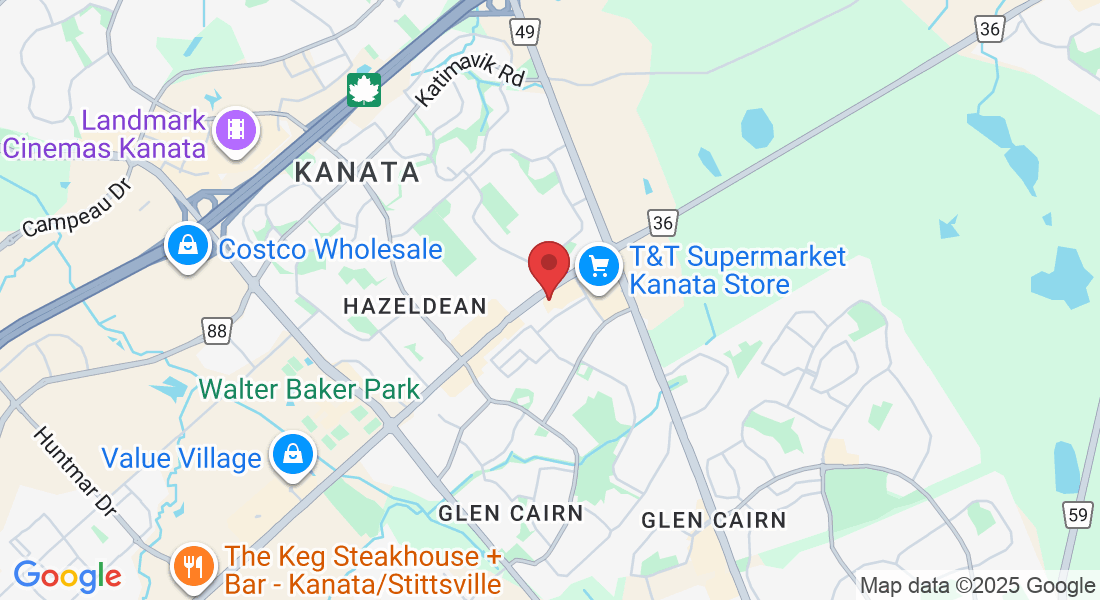
LoyaltyOps™ HQ
430 Hazeldean Road,
Unit #6, Suite 17
Kanata, Ontario, Canada
K2L 1T9
Email: [email protected]
Phone: 1 365-659-4720
Facebook
LinkedIn
Youtube