
The 90-Day Operational Sprint
Your organization should get stronger every time it grows.
If it is getting harder instead, the structure underneath it needs to change.
Your Organization Is Capable of More Than It Is Currently Producing.
The gap between what your team is capable of and how it is actually executing is not a talent problem. It is a structural one.
The same problems resurface quarter after quarter, regardless of how much attention is put on them
Execution is inconsistent across teams. Strong in some areas, unreliable in others, for no obvious reason
Decisions move slowly because ownership is unclear, and nobody is sure who has the authority to act
Standards that were communicated clearly are being applied differently across the organization
The team is working hard, but the results do not reflect the effort going in
If any of these feel familiar, the organization does not need more effort. It needs a different foundation.


What the 90-Day Operational Sprint Is
A structured advisory engagement that finds the structural gap and closes it — permanently, in 90 days.
You bring the problem. We diagnose the structural cause underneath it, recommend the right framework to install, and guide the installation across 90 days.
One sprint. One framework. One outcome the organization keeps after the engagement ends.
How The 90-Day Operational Sprint Works
From diagnosis to permanent behavior change in 90 days.
Every sprint begins with a diagnostic phase that identifies the structural gap and determines the right framework to install. From there the engagement moves through five structured phases until the framework is no longer something the organization is practicing — it is simply how the organization operates.
Define
Establish the standard and what operating inside it looks like in practice.
Pilot
Test the standard at the top of the organization under real conditions before expanding it.
Rollout
Introduce the standard to the broader organization through leaders already operating inside it.
Commit
Sustain the standard under real-world pressure, using friction to reinforce rather than abandon.
Reflect
Confirm what changed and identify what comes next.

What Changes When the Sprint Is Done
The organization stops losing ground every time it grows and starts building on what each stage of growth produced.
Execution gaps get closed at the source rather than managed at the surface
Teams operate from a shared foundation instead of different interpretations of the same direction
Decisions get made at the right level without escalation
Standards hold consistently across departments because the structure reinforces them
The operational problems consuming leadership's time stop arriving
Growth stops making the organization harder to run and starts being what the operational foundation was built to support
Ready to Find Out What Is Structurally Broken and How to Fix It?
Walk away with a clear answer, whether you move forward with us or not.
In 50 minutes, we will identify the execution gap, the structural cause underneath it, and the framework that closes it. You will leave with a clear picture of what the organization needs to fix and where to start, regardless of whether a 90-Day Sprint is the right next step for you.
If we're a good fit, we will tell you exactly which sprint to start with and what the next 90 days look like.
If not, you will still leave with something actionable.
Recommended Insights
Insights to Support Alignment and Organizational Performance

Culture Is Your Infrastructure: How to Stop Treating It Like a Feeling
Culture is not sentiment or values on a wall. It is how work gets done every day — and it can be deliberately built. Here is what that actually looks like in practice. ...more
Operational Structure for Executive Teams
April 16, 2026•11 min read

The Coordination Layer: Why Your Team Isn’t Executing (And It’s Not a People Problem)
Most leaders blame execution failure on the wrong things. The real gap is the coordination layer — how teams collaborate, communicate, and make decisions together. Here’s what that means and how to bu... ...more
Execution Breaks at Scale
April 16, 2026•11 min read
Episode 5: Why Your Best People Leave — and What It's Really Telling You
High performers do not leave for compensation. They leave when the operating environment stops meeting their standards. Mickey Anderson explains the signals they send, why counter-offers fail, and wha... ...more
Unleashed Podcast
April 01, 2026•2 min read
Frequently Asked Questions
What is a 90-Day Operational Sprint?
A 90-Day Operational Sprint is a structured engagement that installs one operational framework into how an organization works. It moves through five phases, targets a specific execution gap, and produces behavioral changes that hold after the engagement ends because the framework is reinforced long enough to become structural.
Who is the 90-Day Sprint for?
The 90-Day Sprint is for CEOs and founders of growing organizations who are experiencing execution friction that feels structural — where the same problems keep surfacing, where capable teams are not producing consistent results, and where more effort is clearly not the answer. If the organization has been managing the symptoms long enough and is ready to address the cause, this is where that work starts.
How is the sprint different from consulting or coaching?
A consultant delivers recommendations. A coach develops the individual. A sprint installs a defined operational framework into how the organization works — and the change holds after the engagement ends because it is structural rather than advisory. The advisor guides the installation. The organization owns the outcome.
How many sprints does an organization typically need?
Most organizations benefit from two or more sprints to build a complete operational foundation. A single sprint is the right starting point for organizations addressing a specific gap or experiencing the model for the first time. A multi-sprint sequence may be determined by the diagnostic findings at the start of the engagement.
Do I need to commit to multiple sprints?
No. You start with one sprint. The Discovery Call identifies the most urgent execution gap and the framework that addresses it directly. One sprint produces one permanent outcome within ninety days. If the organization wants to continue after the first sprint, that conversation happens at the end of the engagement based on what the work revealed — not as a requirement going in.
Which framework does a sprint install?
The framework is selected during the diagnostic phase based on where execution is breaking down and what the organization is ready to support. Clear Intent is the most common starting point because it installs the shared foundation every subsequent framework is built on.
How do you diagnose which framework to install?
The Discovery Call surfaces the right framework. We look at where execution is breaking down, what the structural gap underneath it is, and what the organization is ready to install. Most organizations have a clear primary gap that surfaces quickly in that conversation. The sprint is built around what the diagnosis finds rather than a predetermined package.
What does a 90-Day Sprint produce?
A 90-Day Sprint produces a permanent change in one specific area of how the organization operates. The organization stops losing ground every time it grows and starts building on what each stage of growth established. The change holds after the engagement ends because the framework is embedded in how the organization works rather than dependent on ongoing external involvement.
Contact Us
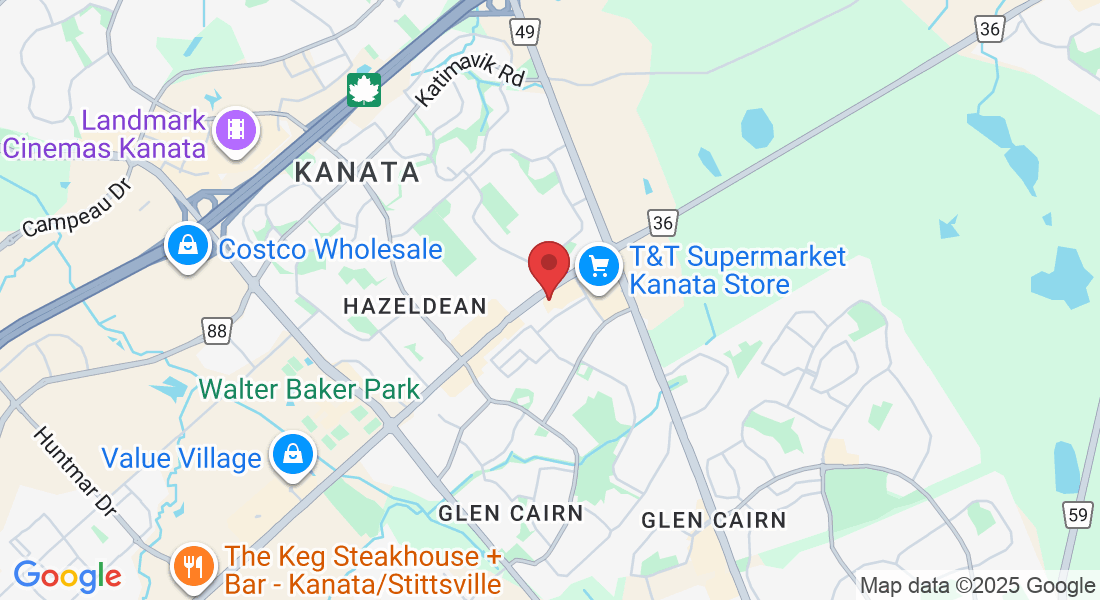
LoyaltyOps™ HQ
430 Hazeldean Road,
Unit #6, Suite 17
Kanata, Ontario, Canada
K2L 1T9
Email: [email protected]
Phone: 1 365-659-4720
Facebook
LinkedIn
Youtube