
AI & Tech Transformation
Every AI and technology investment your organization makes compounds when the operational structure underneath it is strong enough to support it.
AI and Technology Are Exposing What Was Already Fragile.
When new technology lands inside an organization without the operational structure to support it, the gaps that were manageable before become impossible to ignore.
Teams are using the same tools and producing different results across departments
Adoption is uneven because direction is interpreted differently by every team it reaches
Decisions about new capabilities keep escalating because nobody is clear on who owns them
The technology investment is producing returns in some areas and none in others
The pace of change is increasing faster than the organization can absorb it
The technology is ready. The structure underneath it needs to catch up.


AI and Technology Move at the Speed of the Operational Structure Beneath Them.
The organizations getting the most from their technology investment built the operational foundation before the next capability arrived.
As the pace of technology adoption increases, the operational structure underneath it determines how much of the investment actually reaches the organization.
Shared direction gives every team the same foundation to deploy from independently. Defined decision authority determines how fast new capabilities move from adoption to execution. Behavioral standards determine whether the results the technology produces are consistent across the organization or concentrated in the teams that figured it out on their own.
The organizations that compound their technology investments are the ones that treat operational structure as the prerequisite, not the afterthought.
When the Structure Is in Place, the Technology Finally Delivers.
When the operational foundation catches up with the technology investment, the returns the organization was expecting start arriving.
Teams that were pulling in different directions start deploying new capabilities from a shared foundation
Decisions about new tools and workflows get made at the right level without escalating to leadership
Standards hold across every department touching the transformation because the structure reinforces them
The technology investment starts producing what it was designed to produce across the whole organization
Each new capability the organization adopts compounds on the foundation the previous one established
Installing the Layer the Transformation Was Missing.
LoyaltyOps installs the operational coordination layer that makes technology transformation produce results across the whole organization.
LoyaltyOps installs the specific structures that make AI and technology transformation produce results at scale:
→ The shared direction every team deploys from
→ The decision authority that removes ambiguity about who acts on new capabilities, and
→ The behavioral standards that hold across every team touching the transformation.
The right starting point depends on where the coordination is breaking down. A Discovery Call identifies the specific gap and the engagement that addresses it most directly.

Ready to Find Out What the Transformation Is Missing Structurally?
Walk away from the Discovery Call with a clear picture of the gap and what it would take to close it.
In 50 minutes, we will identify where the transformation is breaking down structurally, what the operational cause underneath it is, and what it would take to fix it. You will leave with clarity and a clear path forward whether you move forward with LoyaltyOps or not.
Recommended Insights
Resources to Support Your AI Transformation

Culture Is Your Infrastructure: How to Stop Treating It Like a Feeling
Culture is not sentiment or values on a wall. It is how work gets done every day — and it can be deliberately built. Here is what that actually looks like in practice. ...more
Operational Structure for Executive Teams
April 16, 2026•11 min read

The Coordination Layer: Why Your Team Isn’t Executing (And It’s Not a People Problem)
Most leaders blame execution failure on the wrong things. The real gap is the coordination layer — how teams collaborate, communicate, and make decisions together. Here’s what that means and how to bu... ...more
Execution Breaks at Scale
April 16, 2026•11 min read
Episode 5: Why Your Best People Leave — and What It's Really Telling You
High performers do not leave for compensation. They leave when the operating environment stops meeting their standards. Mickey Anderson explains the signals they send, why counter-offers fail, and wha... ...more
Unleashed Podcast
April 01, 2026•2 min read
Frequently Asked Questions
Why do AI and tech transformations produce inconsistent results?
AI and technology transformations produce uneven results when the operational foundation that allows teams to deploy new capabilities from the same starting point needs to be in place before the transformation starts. When direction is assumed rather than defined, teams interpret new tools differently. When decision authority is unclear, adoption generates escalation rather than independent action. When standards are informal, results vary across teams even when the technology is identical. The transformation amplifies the operational structure already present, including its gaps.
What is the operational coordination layer in a tech transformation?
The operational coordination layer is the set of structures that determines how an organization deploys new technology consistently: shared direction that gives every team the same foundation for independent decisions, decision authority that defines who acts on new capabilities without escalation, and behavioral standards that hold across every team touching the transformation. Most technology transformations invest heavily in the tools and lightly in this layer, which is why results vary across teams even when the technology is the same.
How does LoyaltyOps help organizations going through AI transformation?
LoyaltyOps installs the operational coordination layer that makes AI and technology transformation produce results across the whole organization. The work begins where the transformation is breaking down, in the direction, decision authority, or standards the technology exposed as insufficient, and installs the specific framework the organization is ready to embed. The result is an organization that uses its technology investment to compound results rather than manage variability.
What should a CEO do when technology adoption is producing inconsistent results?
When technology adoption is producing uneven results, the starting point is identifying whether the gap lives in the technology itself or in the operational structure surrounding it. If different teams are using the same tools and producing different results, the cause is almost always structural. Addressing the operational structure is what makes the technology investment produce what it was designed to produce across the whole organization.
Contact Us
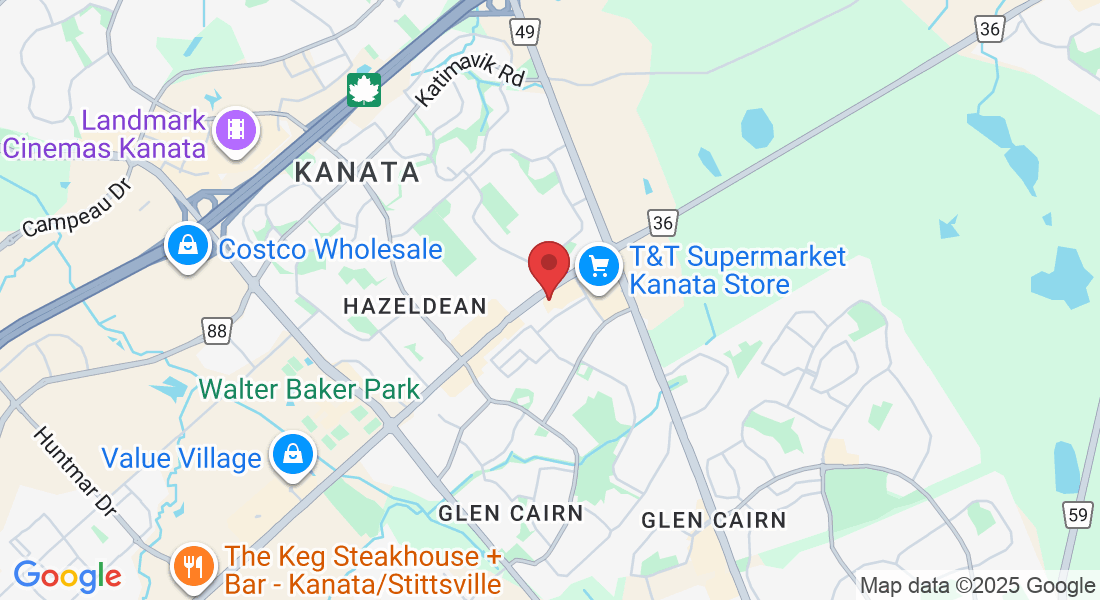
LoyaltyOps™ HQ
430 Hazeldean Road,
Unit #6, Suite 17
Kanata, Ontario, Canada
K2L 1T9
Email: [email protected]
Phone: 1 365-659-4720
Facebook
LinkedIn
Youtube