
Breaking Down Organizational Silos
When departments stop optimizing for their own goals and start executing toward the same ones, the organization stops generating internal friction and starts compounding results.
The Departments Are Working.
The Organization Is Not Moving Together.
When each department optimizes for its own goals, the organization pays the price in duplicated effort, missed handoffs, and initiatives that stall at every departmental boundary.
Departments set their own priorities without a shared organizational foundation to align them
Work that crosses departmental boundaries stalls because ownership at the handoff was never defined
The same initiatives get interpreted differently across functions and produce conflicting outputs
Leaders spend more time managing interdepartmental friction than building on what each department produces
The organization is working hard in multiple directions and moving forward in none of them
The departments are capable. The coordination layer between them is what is missing.


Silos Are a Structural Problem, Not a People One.
Departments default to optimizing for their own goals when the organization has never given them an explicit shared foundation to coordinate from.
When shared direction is absent, each department fills the gap with its own interpretation of what matters most. When decision authority across departmental boundaries is unclear, work stalls at every handoff. When behavioral standards are defined within departments rather than across them, the organization produces excellent departmental results that do not add up to organizational ones.
Silos are not a personality problem or a culture problem. They are what happens when the coordination layer between departments was never built.
When the Coordination Layer Is Built, Departments Collaborate Naturally and the Organization Moves as One.
When every department operates from the same shared foundation, cross-functional work stops generating friction and starts generating results.
Departments align their priorities to the organization's goals because the shared foundation makes those goals explicit and actionable
Work moves across departmental boundaries without stalling because ownership at every handoff is defined
Cross-functional initiatives produce the results they were designed to deliver because every department involved is executing from the same starting point
Leaders spend less time managing interdepartmental friction and more time building on what the aligned organization produces
The organization moves as one unit, and the results compound because every department's output is building on every other department's rather than working against it
How LoyaltyOps Removes the Structural Causes of Organizational Silos
We install the coordination layer that gives every department the shared foundation to collaborate naturally and execute toward the same organizational goals.
LoyaltyOps installs the structures that eliminate silo behavior at the source: the shared organizational direction every department aligns to, the decision authority that defines ownership at every cross-functional boundary, and the behavioral standards that hold across departments rather than fragmenting at their edges.
A Discovery Call identifies where the coordination is breaking down most expensively and the engagement that addresses it most directly.

Ready to Turn Departmental Capability Into Organizational Results?
Walk away from the Discovery Call with a clear picture of where the coordination is breaking down and what it would take to fix it.
In 50 minutes, we will identify the structural causes of the silo behavior and what needs to be installed to eliminate them. You will leave with clarity and a clear path forward whether you move forward with LoyaltyOps or not.
Recommended Insights
Articles that support consistency, trust, and delivery excellence

Culture Is Your Infrastructure: How to Stop Treating It Like a Feeling
Culture is not sentiment or values on a wall. It is how work gets done every day — and it can be deliberately built. Here is what that actually looks like in practice. ...more
Operational Structure for Executive Teams
April 16, 2026•11 min read

The Coordination Layer: Why Your Team Isn’t Executing (And It’s Not a People Problem)
Most leaders blame execution failure on the wrong things. The real gap is the coordination layer — how teams collaborate, communicate, and make decisions together. Here’s what that means and how to bu... ...more
Execution Breaks at Scale
April 16, 2026•11 min read
The Loop That Keeps Execution from Breaking Down as You Grow
Execution does not break all at once — it drifts. This article introduces the LoyaltyOps Performance Flywheel: the operating rhythm growing organizations use to keep expectations clear, feedback flowi... ...more
Execution Breaks at Scale
March 25, 2026•14 min read
Frequently Asked Questions
Why do organizational silos develop in growing companies?
Organizational silos develop when the coordination layer that connects departments to a shared organizational foundation was never formally built. As organizations grow, departments develop their own priorities, standards, and ways of working because no explicit shared structure exists to align them. The result is a collection of capable departments pulling in directions that make sense individually but do not add up to organizational progress collectively.
What is the structural cause of silo behavior?
Silo behavior has three structural causes. The first is the absence of shared direction: when the organization's goals are not translated into an explicit foundation every department operates from, each department fills the gap with its own interpretation. The second is unclear decision authority at departmental boundaries: when ownership of cross-functional work is ambiguous, every handoff becomes a negotiation. The third is departmental rather than organizational behavioral standards: when standards are defined within departments rather than across them, departments optimize locally rather than organizationally.
How do you break down silos without disrupting departmental performance?
Breaking down silos requires installing the coordination layer between departments rather than disrupting what is working within them. Shared organizational direction aligns departmental priorities without replacing them. Cross-functional decision authority defines ownership at the boundaries without changing how each department operates internally. Behavioral standards that span departments create the coordination that silo behavior was preventing without removing the autonomy that makes each department effective. The result is departments that perform well internally and coordinate naturally externally.
How long does it take to eliminate silo behavior?
Most organizations begin seeing visible improvement in cross-functional coordination within the first 90-day sprint. The engagement installs one coordination framework at a time in the sequence the organization is ready to receive, which is what makes the change permanent rather than temporary. A Discovery Call identifies where the silos are most expensive and where to start.
Contact Us
LoyaltyOps™ HQ
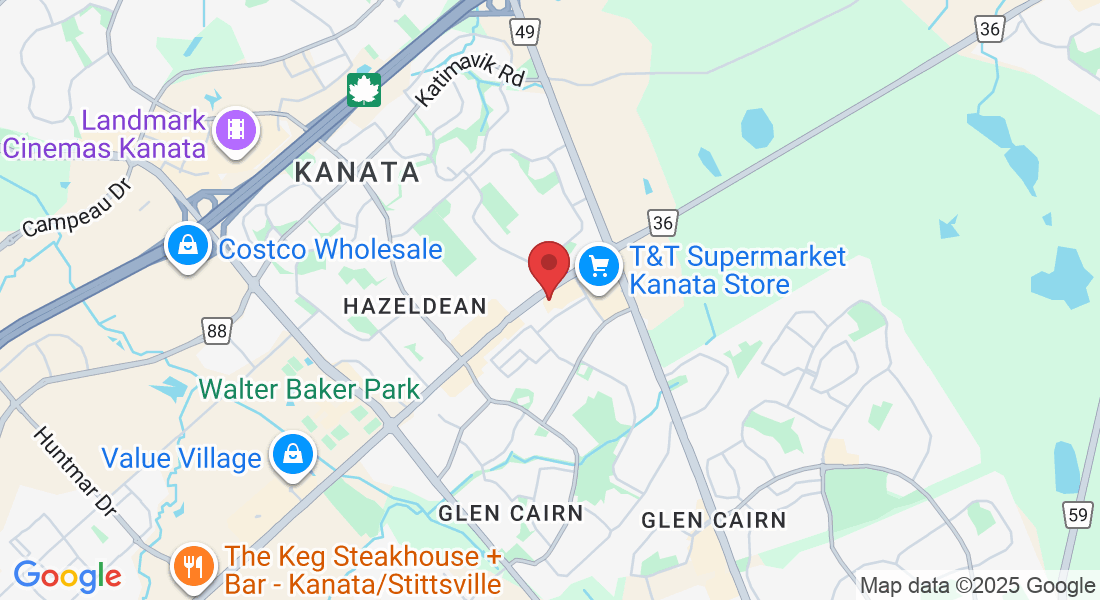
430 Hazeldean Road,
Unit #6, Suite 17
Kanata, Ontario, Canada
K2L 1T9
Email: [email protected]
Phone: 1 365-659-4720
Facebook
LinkedIn
Youtube