
Post-Restructure Execution Stability
A restructure changes the organizational shape. The operational foundation that determines how well the reorganized team executes is what makes it deliver on its promise.
The Restructure Is Complete. The Execution Problems It Was Designed to Solve Are Still Present.
When a reorganization changes roles and reporting lines without installing the operational foundation the new structure requires, the team operates inside a new shape with the same gaps the old one had.
Decision authority that was disputed across old role boundaries is now disputed across new ones
Teams that were misaligned before the restructure are misaligned in a different configuration after it
Standards that were inconsistent in the previous structure are inconsistent in the reorganized one
New role boundaries are generating confusion about ownership that the restructure was supposed to resolve
The disruption the reorganization created has not yet translated into the execution improvement it promised
The restructure addressed the organizational shape. The coordination layer underneath it still needs to be built.


Restructures Change the Org Chart. Execution Quality Comes From the Coordination Layer Beneath It.
The organizations that get the most from a restructure build the operational foundation the new structure requires before the disruption compounds into a performance problem.
Most restructures are designed to solve an execution problem by changing who reports to whom. The assumption is that the right organizational structure will produce the right operational outcomes. It rarely does for a specific reason.
Execution quality comes from the coordination layer that defines how people inside that org chart make decisions, hold commitments, and maintain standards together.
A restructure that moves boxes without installing that coordination layer produces a team operating inside a new structure with the same operational gaps the old structure had, plus the disruption and uncertainty that every reorganization generates in the people going through it.
The organizations that get the most from a restructure treat the new structure as the starting point for installing the coordination layer, not the end point of the work.
When the Coordination Layer Is Installed, the Restructure Starts Delivering What It Promised.
When the operational foundation is built for the new structure rather than inherited from the old one, the reorganized team executes at the level the restructure was designed to produce.
Decision authority gets defined for the new role boundaries rather than inherited from the previous structure
Teams operate from an explicit shared foundation built for the structure they are actually in
Standards hold across the reorganized team because they are structural rather than dependent on the informal norms the previous structure developed over time
The disruption the restructure created converts into execution improvement rather than a prolonged period of uncertainty
The organization delivers on what the restructure promised rather than moving sideways into a new configuration of the same problems

How LoyaltyOps Helps Post Restructure
We install the coordination layer that makes a restructured organization execute at the level the reorganization was designed to produce.
LoyaltyOps installs the coordination layer that makes a restructured organization execute well: the shared direction the new team operates from, the decision authority across the new role boundaries, and the behavioral standards that hold across a team still finding its footing in the new structure.
The right starting point depends on where the execution gaps are sitting after the restructure. A Discovery Call identifies both.
Ready to Find Out What the Restructure Left Behind Operationally?
Walk away from the Discovery Call with a clear picture of the gaps and what it would take to close them.
In 50 minutes, we will identify the specific coordination gaps the restructure created or exposed and what needs to be installed to close them. You will leave with clarity and a clear path forward whether you move forward with LoyaltyOps or not.
Recommended Insights
Recommended Insights on Post-Restructure & Reorganization Alignment

Culture Is Your Infrastructure: How to Stop Treating It Like a Feeling
Culture is not sentiment or values on a wall. It is how work gets done every day — and it can be deliberately built. Here is what that actually looks like in practice. ...more
Operational Structure for Executive Teams
April 16, 2026•11 min read

The Coordination Layer: Why Your Team Isn’t Executing (And It’s Not a People Problem)
Most leaders blame execution failure on the wrong things. The real gap is the coordination layer — how teams collaborate, communicate, and make decisions together. Here’s what that means and how to bu... ...more
Execution Breaks at Scale
April 16, 2026•11 min read
The Loop That Keeps Execution from Breaking Down as You Grow
Execution does not break all at once — it drifts. This article introduces the LoyaltyOps Performance Flywheel: the operating rhythm growing organizations use to keep expectations clear, feedback flowi... ...more
Execution Breaks at Scale
March 25, 2026•14 min read
Frequently Asked Questions
Why does execution stay problematic after a restructure?
Execution stays problematic after a restructure because restructures change the organizational shape without installing the coordination layer that determines how the reorganized team actually works together. Direction that was unclear before remains unclear in the new structure. Decision authority that was disputed across old role boundaries is now disputed across new ones. Standards that were informal before are now informal inside a team that has lost the shared context the previous structure developed over time. Changing who reports to whom does not change how decisions get made, commitments get held, or standards get maintained.
What operational gaps does a restructure typically create?
A restructure typically creates three categories of operational gap. The first is decision authority: new role boundaries generate new ambiguity about who owns what decisions and when escalation is required. The second is shared direction: team members who were aligned informally through proximity in the previous structure now need an explicit foundation to navigate from independently. The third is behavioral standards: the informal norms that held in the previous structure do not automatically transfer to the reorganized team and need to be installed deliberately rather than assumed to carry over.
How do you stabilize execution after a reorganization?
Stabilizing execution after a reorganization requires installing the coordination layer that the restructure assumed would be in place but did not build. That means defining shared direction explicitly for the new organizational shape, assigning decision authority across the new role boundaries, and installing behavioral standards that hold across the reorganized team without depending on the informal mechanisms the previous structure developed over time. A structured sprint engagement installs one of these frameworks at a time in the sequence the organization is ready to receive them.
How long does it take to stabilize execution after a restructure?
Most organizations begin seeing visible changes in execution quality within the first 90-day sprint. Organizations that begin the structural work within the first quarter after a restructure stabilize significantly faster than those that wait for execution problems to become acute before addressing them. A Discovery Call identifies where the most urgent gaps are and what the organization is ready to install first.
Contact Us
LoyaltyOps™ HQ
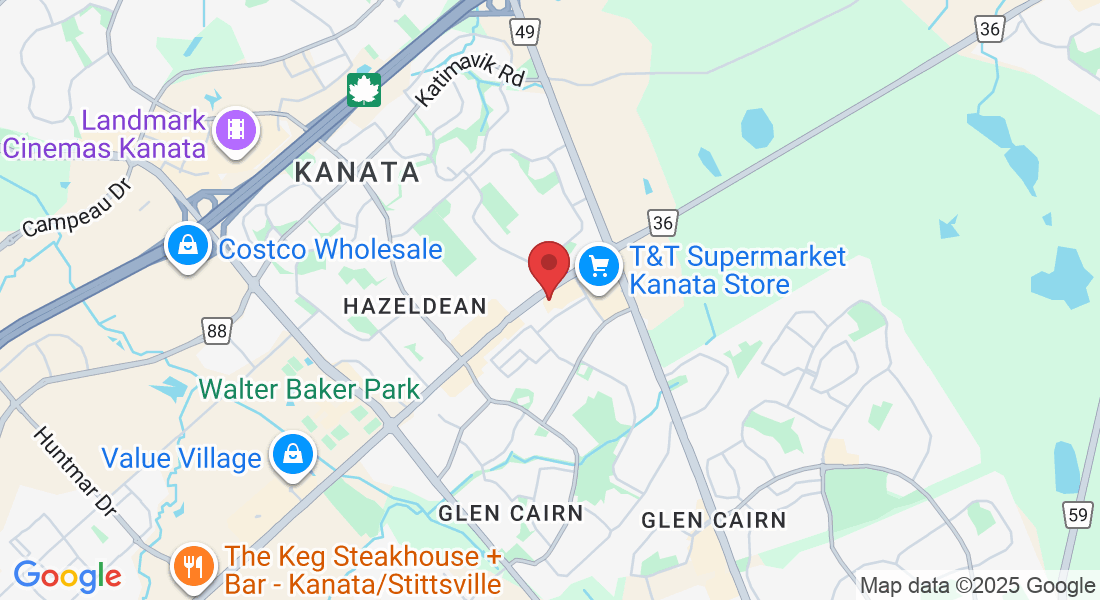
430 Hazeldean Road,
Unit #6, Suite 17
Kanata, Ontario, Canada
K2L 1T9
Email: [email protected]
Phone: 1 365-659-4720
Facebook
LinkedIn
Youtube