
M&A and Post-Merger Integration
The deal is done. How fast the combined organization executes as one unit determines how much of the value it actually captures.
Two Organizations Became One.
The Operating Foundation Has Not Caught Up Yet.
When an acquisition closes without an operational integration plan, the combined organization carries the execution gaps of both into the same structure.
The acquired team is operating from standards and norms the acquiring organization never defined for them
Decisions that cross the boundary between the two teams stall because ownership was never established
Leadership is managing two distinct operating cultures that are supposed to be functioning as one
The pace of integration is slower than the business case assumed it would be
Execution quality is inconsistent across the combined organization in ways that are becoming expensive
The transaction created one organization on paper. The operational foundation that makes it execute as one still needs to be built.
Acquisitions Multiply Headcount and Complexity Simultaneously.
The operational gaps that were manageable in each organization independently compound when two teams with different foundations start executing toward the same objectives.
Every acquisition is a rapid headcount event wrapped in strategic intent. The combined organization is larger, more complex, and operating from two different sets of informal standards from day one.
Without an explicit operational foundation installed quickly, the integration timeline extends, execution quality drops, and the value the acquisition was designed to create gets consumed managing the friction the integration is producing.

When the Integration Is Structured, the Combined Organization Executes at Full Potential Faster.
When a shared operational foundation is installed early, the combined team stops operating as two separate units and starts compounding results as one.
The acquired team operates from the same direction, standards, and decision authority as the acquiring organization
Decisions that cross organizational boundaries get made at the right level without escalating to leadership
The integration timeline compresses because the operational foundation removes the friction slowing it down
Execution quality holds across the combined organization rather than fragmenting along the acquisition boundary
The value the acquisition was designed to create starts arriving on the timeline the business case projected

How LoyaltyOps Accelerates Post-Merger Integration
We install the shared operational foundation that turns two organizations into one executing unit — fast.
LoyaltyOps installs the coordination layer that makes post-merger integration produce results at the pace the business case requires: shared direction the combined team operates from, decision authority that spans the acquisition boundary, and behavioral standards that hold across both organizations from the start.
A Discovery Call identifies where the integration is creating the most friction and the engagement that addresses it most directly.
Ready to Find Out What the Integration Needs Operationally to Deliver on Its Promise?
Walk away from the Discovery Call with a clear picture of the gaps and what it would take to close them.
In 50 minutes, we will identify where the integration is breaking down structurally and what needs to be installed to get the combined organization executing as one unit. You will leave with clarity and a clear path forward whether you move forward with LoyaltyOps or not.
Recommended Insights
Recommended Insights on M&A and Post-Merger Integration

Culture Is Your Infrastructure: How to Stop Treating It Like a Feeling
Culture is not sentiment or values on a wall. It is how work gets done every day — and it can be deliberately built. Here is what that actually looks like in practice. ...more
Operational Structure for Executive Teams
April 16, 2026•11 min read

The Coordination Layer: Why Your Team Isn’t Executing (And It’s Not a People Problem)
Most leaders blame execution failure on the wrong things. The real gap is the coordination layer — how teams collaborate, communicate, and make decisions together. Here’s what that means and how to bu... ...more
Execution Breaks at Scale
April 16, 2026•11 min read
The Loop That Keeps Execution from Breaking Down as You Grow
Execution does not break all at once — it drifts. This article introduces the LoyaltyOps Performance Flywheel: the operating rhythm growing organizations use to keep expectations clear, feedback flowi... ...more
Execution Breaks at Scale
March 25, 2026•14 min read
Frequently Asked Questions
Why do acquisitions produce slower integration than expected?
Acquisitions produce slower integration than expected when the operational foundation that allows two teams to execute as one unit is not installed alongside the structural changes the transaction creates. The combined organization is operating from two different sets of informal standards from day one. Without an explicit shared foundation, the friction of integration consumes the time and attention the business case assumed would be going toward value creation.
What operational gaps does an acquisition typically create?
An acquisition typically creates three categories of operational gap. Shared direction: the acquired team is operating from standards and assumptions the acquiring organization never defined for them. Decision authority: decisions that cross the organizational boundary stall because ownership was never established for the combined structure. Behavioral standards: two teams with different informal norms are expected to operate as one without an explicit standard to converge on.
How do you accelerate post-merger integration?
Accelerating post-merger integration requires installing the shared operational foundation early rather than allowing the combined organization to develop informal alignment over time. Shared direction needs to be explicit enough that the acquired team operates from the same foundation as the acquiring organization from the start. Decision authority needs to span the acquisition boundary clearly. Behavioral standards need to be defined and modeled before the integration timeline extends beyond what the business case assumed.
When is the right time to install operational structure after an acquisition?
The right time is as early in the integration process as possible. Organizations that install the shared operational foundation in the first quarter after closing compress the integration timeline significantly. Organizations that allow the combined team to develop informal alignment over time find that the friction compounds and the value the acquisition was designed to create arrives later and at a higher cost than the business case projected.
Contact Us
LoyaltyOps™ HQ
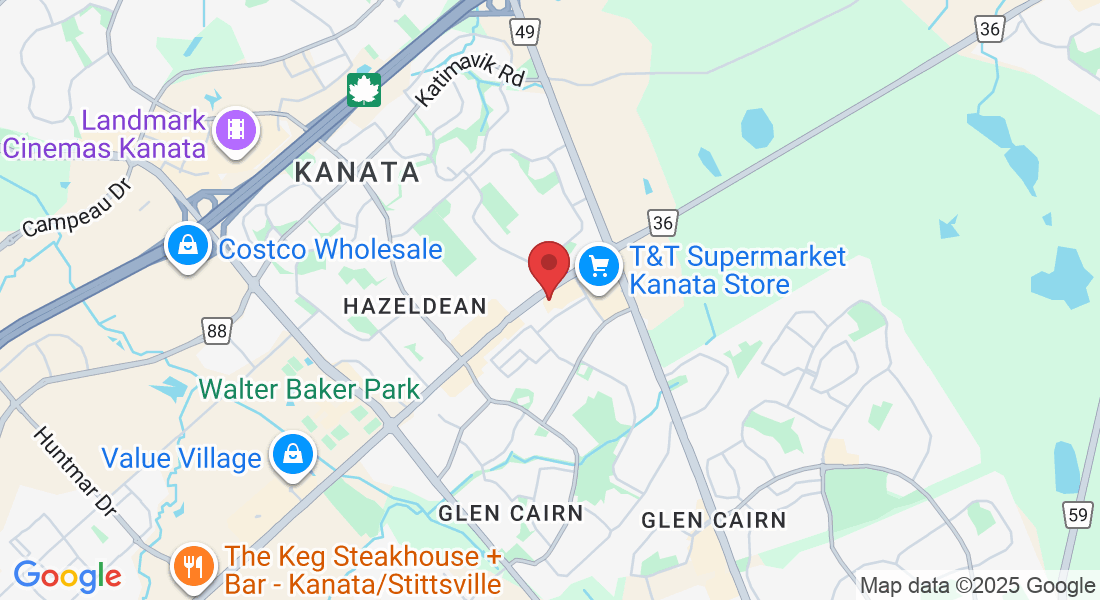
430 Hazeldean Road,
Unit #6, Suite 17
Kanata, Ontario, Canada
K2L 1T9
Email: [email protected]
Phone: 1 365-659-4720
Facebook
LinkedIn
Youtube