
Exit Planning & Enterprise Value Uplift
The businesses that command the strongest multiples and close the cleanest exits are the ones that built the operational foundation that makes the business worth buying before the process started.
The Business Is Performing.
The Operational Foundation That Makes It Sellable Has Not Been Built Yet.
When a business's performance depends on the founder's presence, judgment, and relationships, buyers discount the valuation to reflect the risk they are acquiring alongside the business.
The business runs on the founder's knowledge, relationships, and daily involvement rather than documented operational systems
Key decisions require the founder's input because decision authority was never formally defined below the owner level
Standards that exist informally in the founder's head have never been installed in the organization formally
Due diligence surfaces operational dependencies that reduce buyer confidence and compress the multiple
The business is worth more than the market will pay for it because the operational foundation that justifies the valuation is not visible or provable
Every year the operational foundation is not built is a year of enterprise value left on the table.


Buyers Pay for Businesses That Run Without the Founder.
The operational foundation that makes a business run independently is the same foundation that makes it command a premium valuation and close a clean exit.
Buyers and investors apply a risk discount to every element of a business that depends on the founder to function. The more the business runs on the founder's presence, the larger the discount.
The more the business runs on documented operational structure, defined decision authority, and standards that hold without the founder in the room, the more defensible the valuation becomes and the cleaner the due diligence process runs.
Building the operational foundation is not just good operations. In the context of an exit, it is one of the highest return investments a founder can make in the years before the process starts.
When the Operational Foundation Is Built, the Business Commands What It Is Actually Worth.
When the business runs on structure rather than the founder, the valuation reflects the business rather than the risk of losing the person running it.
The business operates independently of the founder and due diligence reflects it
Decision authority is defined clearly enough that buyers can see how the business will run after the transition
Standards that were informal become documented, visible, and provable during the diligence process
Owner dependency risk is removed from the valuation conversation because the operational foundation eliminates it
The exit closes faster and at a stronger multiple because the operational foundation the buyer is acquiring is visible, provable, and already working
How LoyaltyOps Builds the Operational Foundation That Maximizes Enterprise Value
We install the operational structure that removes owner dependency, strengthens the business, and makes the valuation defensible before the exit process begins.
LoyaltyOps installs the operational foundation that makes a business run independently of its founder: the shared direction the team operates from without the founder in the room, the decision authority that defines how the organization moves without escalating everything upward, and the behavioral standards that hold across the organization without depending on the founder's presence to reinforce them.
The right starting point depends on how far out the exit is and where the owner dependency risk is sitting. A Discovery Call identifies both.

Ready to Build the Operational Foundation That Makes Your Business Worth What You Know It Is?
Walk away from the Discovery Call with a clear picture of the operational gaps and what closing them would do for your valuation.
In 50 minutes, we will identify where owner dependency is sitting, what it is costing the valuation, and what needs to be built before the exit process starts. You will leave with clarity and a clear path forward whether you move forward with LoyaltyOps or not.
Recommended Insights
Recommended Insights on Exit Planning & Enterprise Value Uplift

Culture Is Your Infrastructure: How to Stop Treating It Like a Feeling
Culture is not sentiment or values on a wall. It is how work gets done every day — and it can be deliberately built. Here is what that actually looks like in practice. ...more
Operational Structure for Executive Teams
April 16, 2026•11 min read

The Coordination Layer: Why Your Team Isn’t Executing (And It’s Not a People Problem)
Most leaders blame execution failure on the wrong things. The real gap is the coordination layer — how teams collaborate, communicate, and make decisions together. Here’s what that means and how to bu... ...more
Execution Breaks at Scale
April 16, 2026•11 min read
The Loop That Keeps Execution from Breaking Down as You Grow
Execution does not break all at once — it drifts. This article introduces the LoyaltyOps Performance Flywheel: the operating rhythm growing organizations use to keep expectations clear, feedback flowi... ...more
Execution Breaks at Scale
March 25, 2026•14 min read
Frequently Asked Questions
Why does operational structure affect business valuation?
Buyers and investors price risk. Every element of a business that depends on the founder to function represents a risk the buyer is acquiring alongside the business. When decision authority is undefined, when standards exist in the founder's head rather than the organization's structure, and when the business cannot demonstrate it runs independently, buyers apply a discount to reflect the transition risk. Operational structure removes that risk from the valuation conversation by making the business demonstrably independent of the person selling it.
What operational gaps most commonly compress exit multiples?
The operational gaps that most commonly compress exit multiples are owner dependency in decision making, undocumented standards and processes that exist informally rather than structurally, unclear decision authority below the founder level, and execution consistency that depends on the founder's presence and attention rather than a formal operational foundation. Each of these represents a transition risk that buyers price into the multiple. Closing them before the exit process starts is what makes the valuation defensible.
How far in advance of an exit should operational structure be built?
The earlier the better. Organizations that begin building the operational foundation two to three years before the exit have time to install the structure, demonstrate that it holds without the founder, and let the business's performance under that structure speak for itself during due diligence. Organizations that begin the work six to twelve months out can still close meaningful gaps but have less time to let the foundation prove itself. A Discovery Call identifies the gaps and the realistic timeline for closing them based on how far out the exit is.
How does LoyaltyOps work with PE backed founders?
PE backed founders are typically operating under a defined exit timeline with specific value creation targets. LoyaltyOps identifies the operational gaps that are most directly compressing enterprise value and installs the frameworks that close them in the sequence the organization is ready to receive. The work is structured to produce visible, measurable operational improvements that strengthen the business's performance and its story during the next diligence process.
Contact Us
LoyaltyOps™ HQ
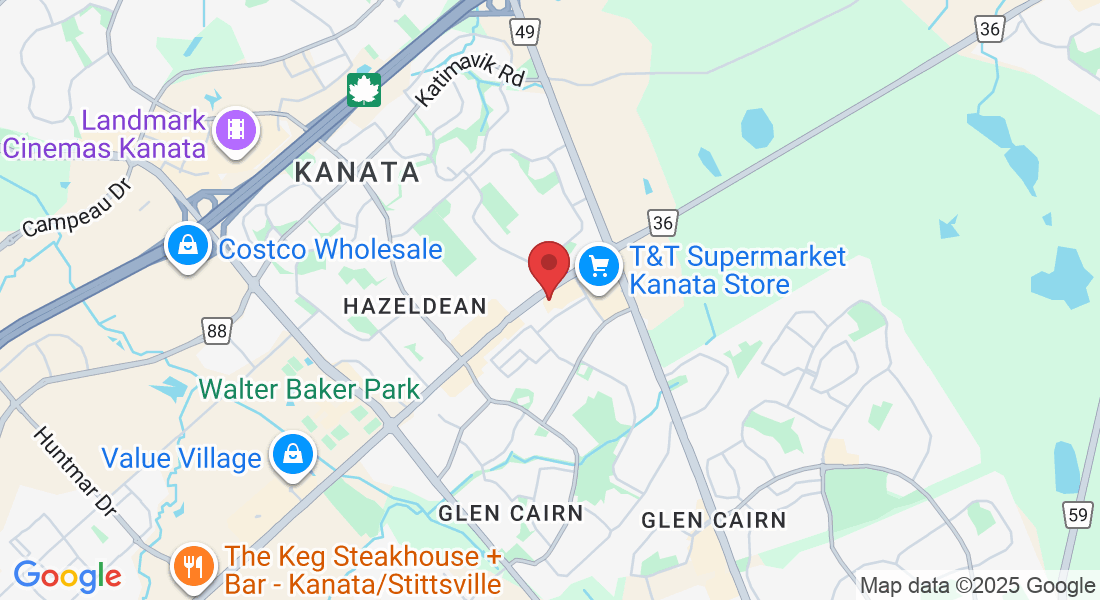
430 Hazeldean Road,
Unit #6, Suite 17
Kanata, Ontario, Canada
K2L 1T9
Email: [email protected]
Phone: 1 365-659-4720
Facebook
LinkedIn
Youtube