
Operational Advisory for Restaurants and Food Services
When every location, shift, and team operates from the same foundation, food service organizations stop losing margin to inconsistency and start compounding results across every unit they operate.
Food Service Organizations Live and Die by Operational Consistency.
Most Are Running on Informal Systems That Break Down Under Pressure.
When the operational foundation is missing, the gaps show up in service quality, staff performance, and unit economics across every location and shift.
Service standards vary across locations, shifts, and team members in ways that affect the customer experience and the brand
New staff absorb informal norms rather than a defined operational standard, and the variation compounds as the team grows
Location managers make decisions from their own judgment rather than a shared foundation
Execution quality drops during high-volume periods because the structure that should hold it together under pressure was never formally built
Multi-unit operators find that what works in one location does not travel to the next without significant effort


What LoyaltyOps Installs
The operational foundation that makes consistent service delivery and unit performance structural across every location and shift.
LoyaltyOps works with food service leadership teams to install the shared direction, decision authority, and behavioral standards that make operational consistency structural.
The result is a food service organization where every location delivers the same standard, managers lead from the same foundation, and adding a new unit does not require rebuilding the operational system from scratch.
Ready to Build the Operational Foundation Your Food Service Organization Needs?
Walk away from the Discovery Call with a clear picture of the gaps and what it would take to close them.
In 55 minutes, we will identify where the operational foundation is breaking down and what needs to be installed to make consistent execution possible across every location and shift. You will leave with clarity and a clear path forward whether you move forward with LoyaltyOps or not.
Recommended Insights
Resources to Support Restaurant & Food Service Organizations
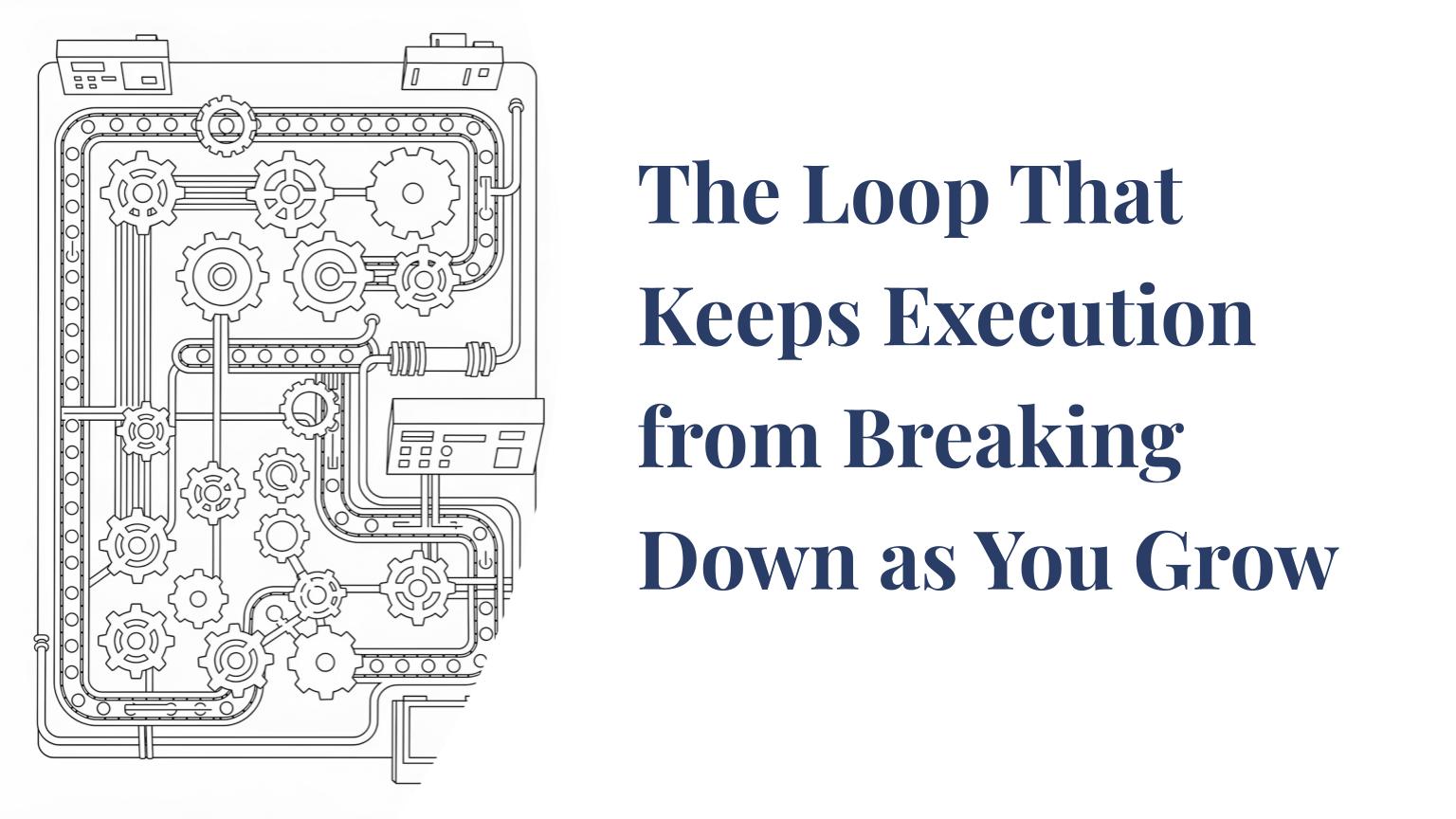
The Loop That Keeps Execution from Breaking Down as You Grow
Execution does not break all at once — it drifts. This article introduces the LoyaltyOps Performance Flywheel: the operating rhythm growing organizations use to keep expectations clear, feedback flowi... ...more
Execution Breaks at Scale
March 25, 2026•14 min read
How to Move Decisions Out of the Bottleneck and Into the Team
Watch the full workshop on how growing organizations can move from centralized control to distributed command by defining decision ownership, establishing clear guardrails, and building the structures... ...more
Execution Breaks at Scale
March 20, 2026•6 min read

What Another Quarter Without Leadership Infrastructure Actually Costs
The cost of missing leadership infrastructure compounds each quarter: in leadership hours, missed goals, slow decisions, and turnover. Here is what the math looks like. ...more
Leadership Operations
March 19, 2026•6 min read
Frequently Asked Questions
How does LoyaltyOps work with restaurants and food service organizations?
LoyaltyOps works with food service leadership teams to identify the structural gaps producing inconsistent execution across locations and shifts and installs the operational frameworks that close them permanently. Engagements embed the change into how the organization operates rather than producing training materials or playbooks the team implements independently.
What operational problems are most common in food service organizations?
The most common operational problems in food service organizations are inconsistent service standards across locations and shifts, location managers leading from individual judgment rather than a shared foundation, new staff absorbing informal norms rather than a defined standard, and execution quality that drops under high volume pressure because the operational structure was never formally built to hold under it.
How does LoyaltyOps help multi-unit food service operators?
Multi-unit food service operators benefit from a shared operational foundation that travels with every new location rather than having to be rebuilt from scratch each time. LoyaltyOps installs the direction, decision authority, and behavioral standards that make every unit perform at the same standard regardless of size, location, or how recently it opened.
How is LoyaltyOps different from restaurant consulting or training programs?
Restaurant consulting and training programs produce materials and recommendations the team implements independently. LoyaltyOps installs operational frameworks directly through a structured advisory engagement that embeds the change into how the organization operates. The difference is what remains after the engagement ends — a permanent operational foundation rather than a manual.
Contact Us
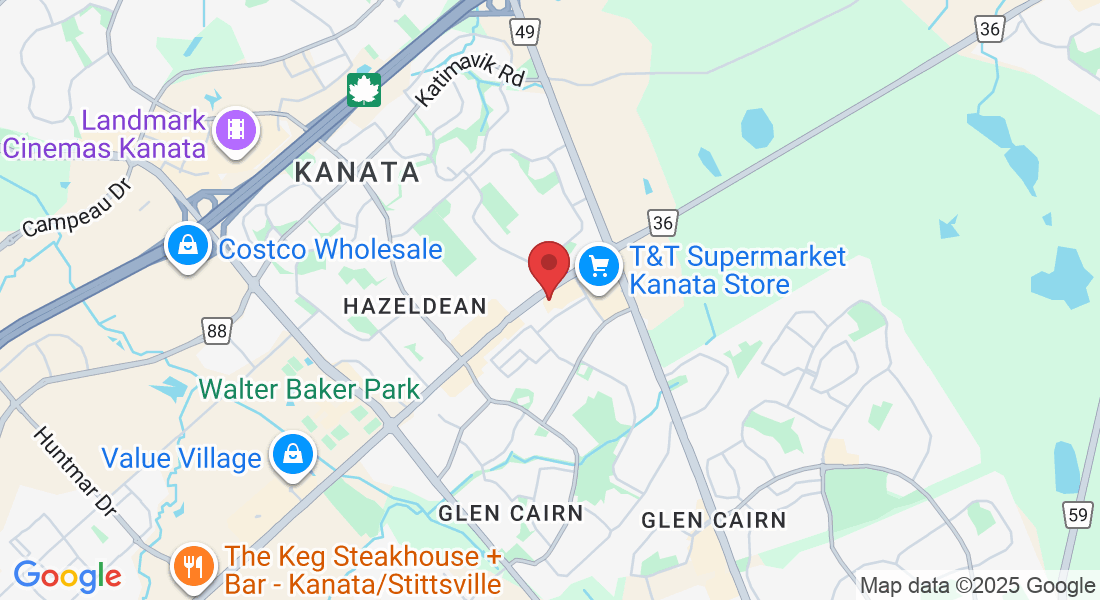
LoyaltyOps™ HQ
430 Hazeldean Road,
Unit #6, Suite 17
Kanata, Ontario, Canada
K2L 1T9
Email: [email protected]
Phone: 1 365-659-4720
Facebook
LinkedIn
Youtube