
FOR ORGANIZATIONS
Your company has outgrown how it operates.
We help you build the operations every leader and team needs to align, grow capacity, and compound effort into growth.
The signs the company has outgrown how it operates.
When operations stop scaling with the business, the cost shows up everywhere.
Work that crosses team lines doesn't get done.
When work has to move from one team to another, no one is responsible for it from start to finish, so it slows down or gets dropped.
Each team does things its own way.
A clear process inside one team looks different inside the next, and the way the work gets done depends on which team you're on.
Decisions wait for the leadership team.
Decisions that should get made closer to the work end up waiting for the leadership team, because no one else has what they need to make them.
New hires take months to figure out how things work.
New people take months to figure out how the company actually works, and longer to start contributing at the level you need them to.
The people who see what isn't working can't fix it.
The people closest to the work can see what isn't working, but the issue is between teams, where no single team owns it.
The important work keeps getting delayed.
The important work that grows the company keeps getting delayed by whatever is urgent that day, and the priorities you set for the year end up in next year's plan.
The longer the business outpaces its operations, the more growth slows.
When this work tends to land.
This usually comes up at one of these moments. If one of them matches where the company is, it's likely time.
The company is growing fast and the team is doubling.
Growth has stopped, even though the team is bigger.
The culture you built is changing in ways you don't want.
You've raised capital and there are higher expectations on the business.
You're preparing for an exit.
You're integrating after a merger or acquisition.
You're standardizing how each company in your portfolio operates.
A new CEO, COO, or leadership team is coming in.


What another year looks like if nothing changes.
The cost shows up in the team, the leadership, and the company you're trying to build.
The team you have stays the team you have. New hires keep taking quarters to get to the level you need, and your best people start looking for other jobs, because capable people in operations that haven't kept up end up doing extra work to cover for things that aren't their job.
The leadership team's week doesn't get shorter. The important work set as the priority for the year keeps getting delayed by what's urgent, decisions keep ending up with the leadership team, and the leadership team finishes the year doing the work they hired the company to be ready to take on.
And the company you're building is different from the company you set out to build. Growth slows, talent leaves, and the culture changes. The exit, the capital raise, and the next stage of growth all depend on the company being able to operate without the leadership team in every conversation, and the company can't yet do that.
More effort hasn't fixed it, because effort isn't the problem.
Four things companies in this position usually try, and why they don't close the gap.
Hiring Better People
Hiring more senior leaders sounded right. But the new leaders join the same operations, and within a quarter they're doing the same things as everyone else. Capable people inside operations that haven't kept up will always look like a people problem.
More Communication
Adding more meetings and communication channels sounded right too. But meetings don't fix the structure behind them. They take more of the team's time to manage the gap, and the gap stays where it was.
Standardizing Tools
Standardizing the tools and the software also sounded right. But tools don't replace how the team works together. The same tool used by two teams that operate differently still produces two different ways of working.
Playbooks & SOPs
Writing an HR handbook or building out SOPs is the shortcut most companies take. But the handbook gets signed and never opened again, the SOPs sit on a server, and how the team actually works together doesn't live in either one.
What's missing is the operations themselves: the clear standards for how the team actually works together, every day.
How LoyaltyOps is different from what you've tried.
We help you build the operations every leader and team needs to align, work together, and compound effort into growth.
LoyaltyOps vs. Operations Consulting and Fractional COOs
Ops consultants give you advice and leave you with recommendations and a deck. We help you build the standards that change how the team operates, communicates, and holds each other accountable, so the advice becomes what the team actually does.
LoyaltyOps vs. Leadership Coaching
Leadership coaches teach the characteristics of great leadership. With LoyaltyOps, that leadership becomes a standard that every team and every level follows, so it shows up consistently across the company.
LoyaltyOps vs. Peer Groups (Vistage, EO, YPO)
Peer groups give you a room to talk things through. We help you turn the lessons into the standards your team uses for how they communicate, collaborate, and learn from the work.
LoyaltyOps vs. Operating Systems (EOS, Scaling Up)
EOS and Scaling Up set up goal setting, meeting rhythms, and an accountability meeting at the top. With LoyaltyOps, the standards for how the work actually gets done span every team and every level, so the consistency reaches all the way down.
The operations LoyaltyOps focuses on.
You set the standards for the company. We help you turn them into the operations that keep every team and every level consistent.
By the end, the leadership team is aligned and running the business together, capacity is compounding quarter over quarter, and the company is ready for what's next.
We help you clarify where the company is going, what's expected of every team and every leader, and what 'how we work here' actually means. Then we help you turn those standards into the operations that make them part of how the team operates every day.
An HR handbook is a list of policies, an SOP is a step-by-step process, and operations are something different. Operations are the standards for how the team actually works together: what people expect of each other, how they collaborate, and how they hold each other to the same expectations. This is what most companies skip, because it's harder to write down than a policy.
We help you build these standards into the way the company already operates. The work happens inside the meetings, decisions, and problems the company is already handling, so the standards get used as they're built. That's the only way they last.
The six foundations we help you build.
Proven, practical methods you install in your real meetings and decisions.
Clear direction for the company.
Everyone knows where the company is headed, what the team is building toward, and what's expected of them to get there. The leadership team sets the direction, and every team and every level works from it.
How the team operates together.
Everyone understands the standards for how the team works day to day and what's expected of each other, so the culture you built stays consistent across every team and every level as the company grows.
How the team communicates and collaborates.
Information moves up, down, and across the company, and teams work together to deliver as one business. The team and the teams they work with find what they need without unnecessary emails and meetings.
How problems and ideas get surfaced.
Issues, insights, and improvements come up early and get to the people who can act on them, so the team catches problems before they reach the customer or the next team.
How decisions get made, and people are held accountable.
The right people make good decisions with the information they need, aligned with the company's direction, and the team has clear ways to hold each other accountable for following through.
How the team learns from the work.
What the team learns gets documented and shared across the company, so every team can build on it, and the company gets smarter as a whole.
What working with us looks like.
Facilitated working sessions, outside advisory, and methods grounded in Behavioral Psychology and Tier 1 Special Operations.
We run focused working sessions on the decisions, meetings, and problems the company is already handling. The standards get built into the way the work actually goes, so they last after we leave.
We bring the outside perspective, the patterns we've seen across many companies, and the root cause your team has been working through.
The methods come from behavioral psychology that's been studied, tested, and proven, and from Tier 1 Special Operations, where the methods that perform under extreme pressure are the ones that are simple, battle-tested, and stick even through chaos.

The work moves through three phases:
A practical, evidence-based approach to creating lasting change.
Phase 1
Get aligned on direction and how the team operates.
Your leadership team gets clear on where the company is going, what's expected of everyone to get there, and the standards for how the team operates together. This becomes the foundation every team and every level works from.
Phase 2
Build the standards for how the team works.
Together, you build clear standards for how the team communicates and collaborates, how problems and ideas get surfaced, how decisions get made, how people are held accountable, and how the team learns from the work. Each standard gets used as it's built, inside the meetings and decisions the company is already handling.
Phase 3
Integrate the standards into the company so they stick.
The standards get built into how every team and every level works, so the change shows up in the way the work actually gets done. The whole company aligns, coordinates, and operates on the same standards every day.
What changes when the company has clear operations to grow on.
The picture of the company on the other side of the work.
BEFORE
The company operates on instinct and proximity, with each team going in its own direction.
Decisions wait for the leadership team, because no one else has the information they need to make them.
New hires take months to figure out how things work, and longer to start contributing at the level you need.
The same problems keep happening, even when they look like different problems.
The people who see what isn't working can't fix it from inside their own team.
The company is struggling to deliver what it used to deliver easily, and the culture you built starts to change in ways you don't want.
AFTER
Every team is moving in the same direction, with the capacity and clarity to take on what comes next.
The right people make good decisions with the information they need, aligned with the company's direction.
Work that crosses team lines gets done the first time, every time, because the team knows how to deliver together.
New hires learn how the company works quickly, because the standards everyone works to are clear.
Your best people stay and produce, because the work gets done where it should.
Growth gets stronger quarter over quarter, because the team is delivering together.
By the time we're done, the operations stay with the company, the team owns them, and the growth you've been working toward happens. The company sets the standard in its category, the one others measure themselves against, and the one talent and investors look to first.
Why companies bring this work to LoyaltyOps.
Tier 1 Special Operations methodology meets two decades of business advisory.
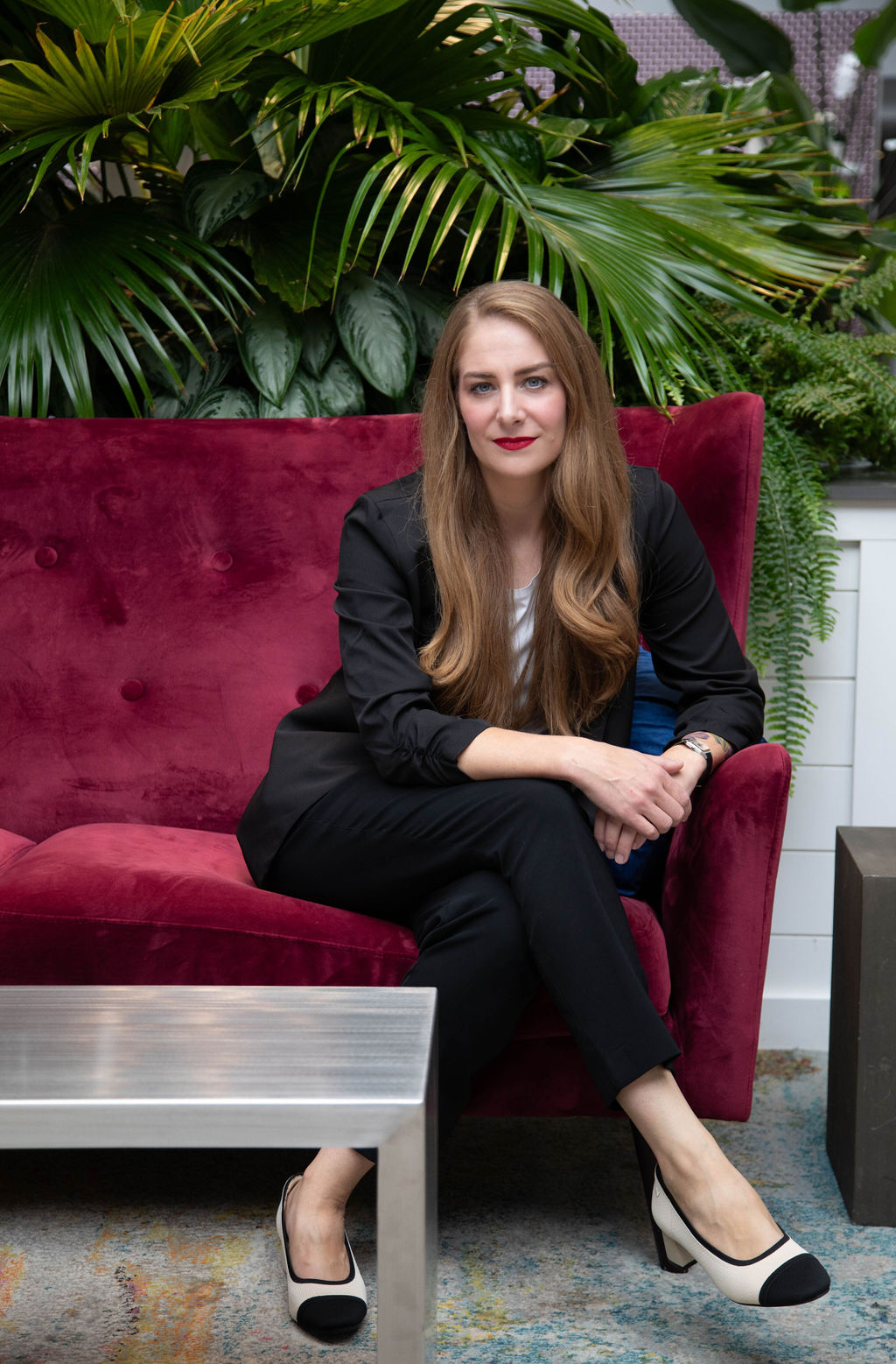
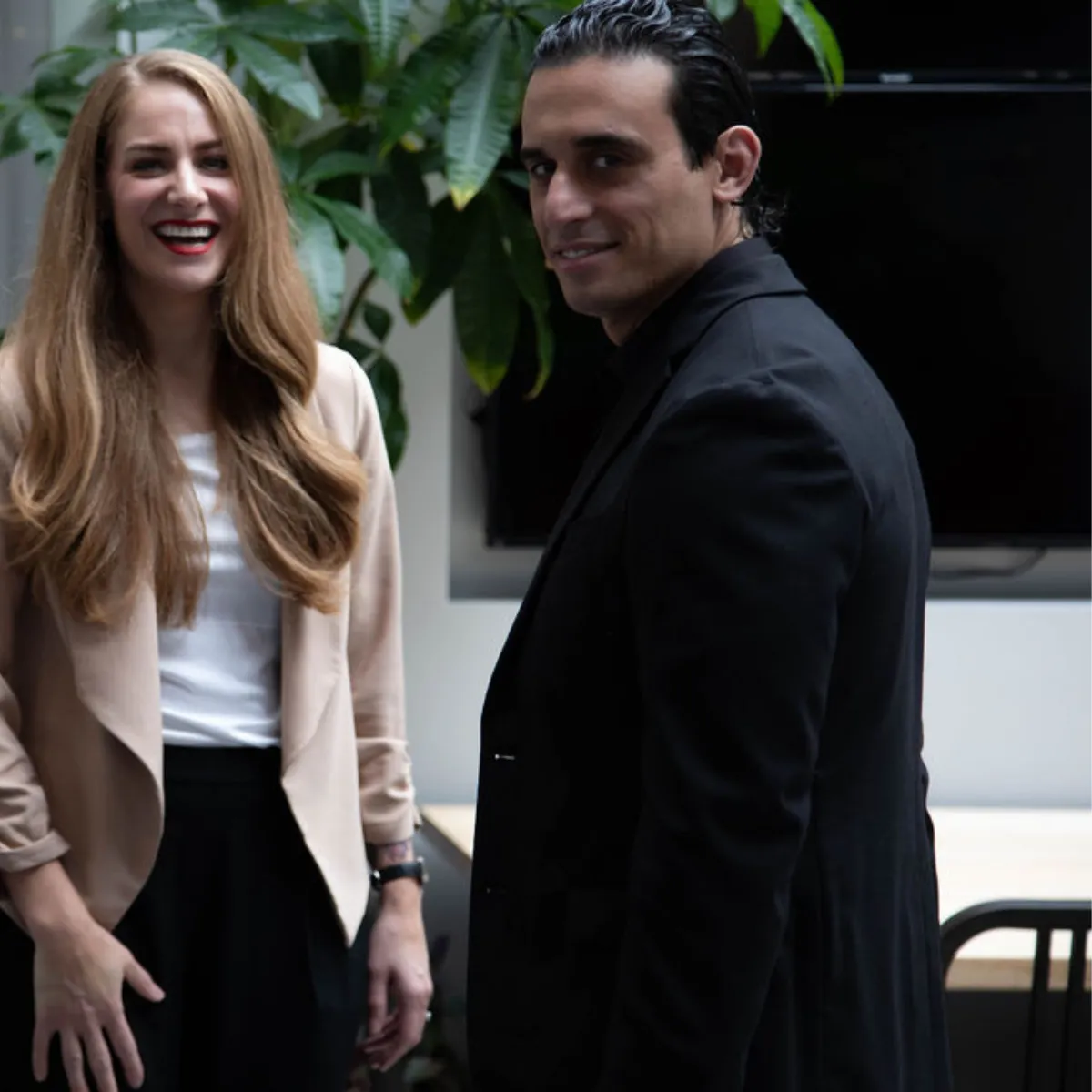
LoyaltyOps was co-founded by Mickey Anderson and Kyle Anderson in 2025. Mickey brings two decades of building businesses and advising leadership teams. Kyle brings fifteen years as a Tier 1 Special Operations Assaulter.
The methods that make Tier 1 teams perform under extreme pressure are the methods that turn capable people in growing organizations into an aligned team that performs together and compounds effort into growth.
The work has been proven in the most demanding environments and refined across companies that have lived through the same growth moment your company is in now.
What sets LoyaltyOps apart
Grounded in Behavioral Psychology.
The work is built on behavioral psychology that's been studied, tested, and proven. The methods we bring are grounded in how people actually behave, decide, and perform together, so what gets built inside your company holds because it works with how people are wired, not against it.
Tier 1 Special Operations methods, battle-tested and simple enough to stick.
Tier 1 Special Operations teams perform under extreme pressure because their methods are simple, battle-tested, and stick even through chaos. We bring those same methods into growing companies in the middle of capital raises, exits, integrations, and new growth phases, so what gets built holds when the business pressure is highest.
How your people work together.
A team of individuals working in parallel becomes a team aligned on the same mission, the same standards, and the same expectations, with capability, speed, and effort compounding into the growth the business needs to deliver.
Lead the company through its next stage of growth.
What the next phase of the company looks like once the operations are in place.
The company stops depending on the leadership team being in every conversation. The work moves through the company because the standards for how the work gets done are clear, understood, and used by every team and every level.
The leadership team gets the time and attention back to lead what's next, whether that's the capital raise, the exit, the next phase of growth, the integration, or the expansion into the next market. The work only the leadership team can do is the work the leadership team is actually doing.
The company sets the standard in its category, the one others measure themselves against, the one talent wants to join, and the one investors back. It's built to grow, and it's ready for what's next.

Three steps to get started.
Three simple steps to start building the operations the business needs to keep growing.
1. Talk it through
We start with a focused thirty-minute conversation about your business and whether LoyaltyOps fits what you're building. If we're not the right firm, we'll tell you and point you toward who is.
2. Diagnose where to start
We map where the operations have fallen behind across the team and name the root cause everyone has been circling, so you and your leadership team finally have a shared picture of what's actually slowing the business down.
3. Build the operations together
We help you build the operations that close the biggest gaps, align your team, and grow capacity. When we leave, the operations stay, and your team owns them.
Build the operations the company needs to grow.
Book A Discovery Call
A focused thirty-minute conversation about where the company is and whether LoyaltyOps fits what you're building. If we're not the right firm, we'll tell you and point you toward who is.
Contact Us
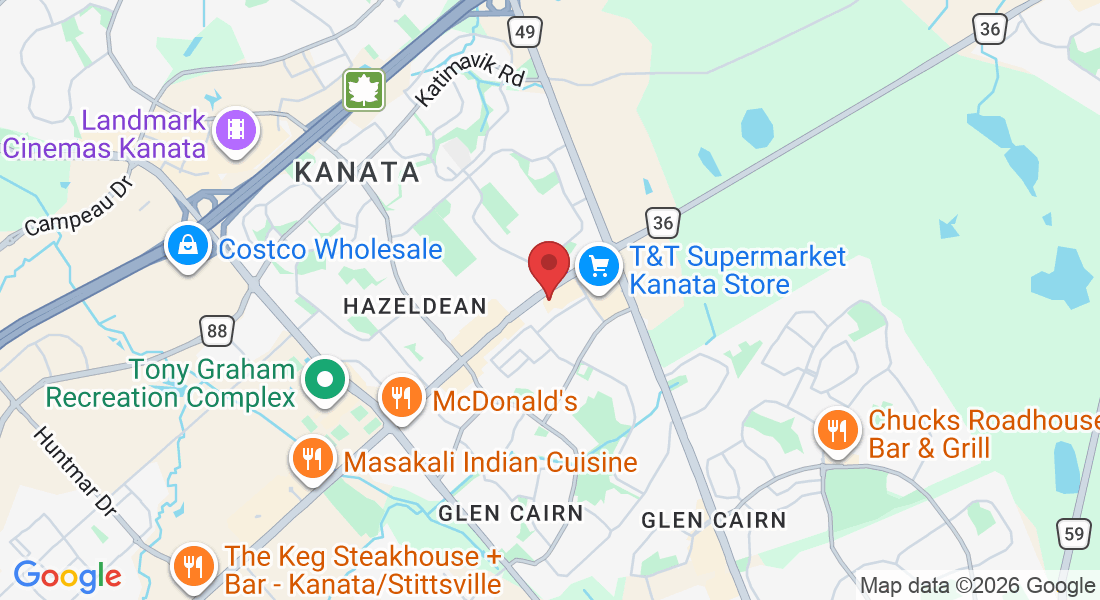
LoyaltyOps™ HQ
430 Hazeldean Road,
Unit #6, Suite 17
Kanata, Ontario, Canada
K2L 1T9
Email: [email protected]
Phone: 1 365-659-4720
Facebook
LinkedIn
Youtube